Each vertical anchors a cluster of live projects and open calls for partners, contributors, and researchers.
Connected sensors and real-time monitoring
Models that learn, predict, and automate
Distributed ledgers for traceable records
Autonomous delivery and aerial inspection
Natural capital accounting and green climate tech
Where all five verticals are prototyped, built, and tested.
The Innovation Fund operationalizes DHI's 10X Innovation Strategy by deploying capital to innovation-driven enterprises.
Read the papers and open directions, then start a conversation with the team.
Start a conversationApply for an internship on a project that already exists. Rolling cohorts.
Apply for an internship




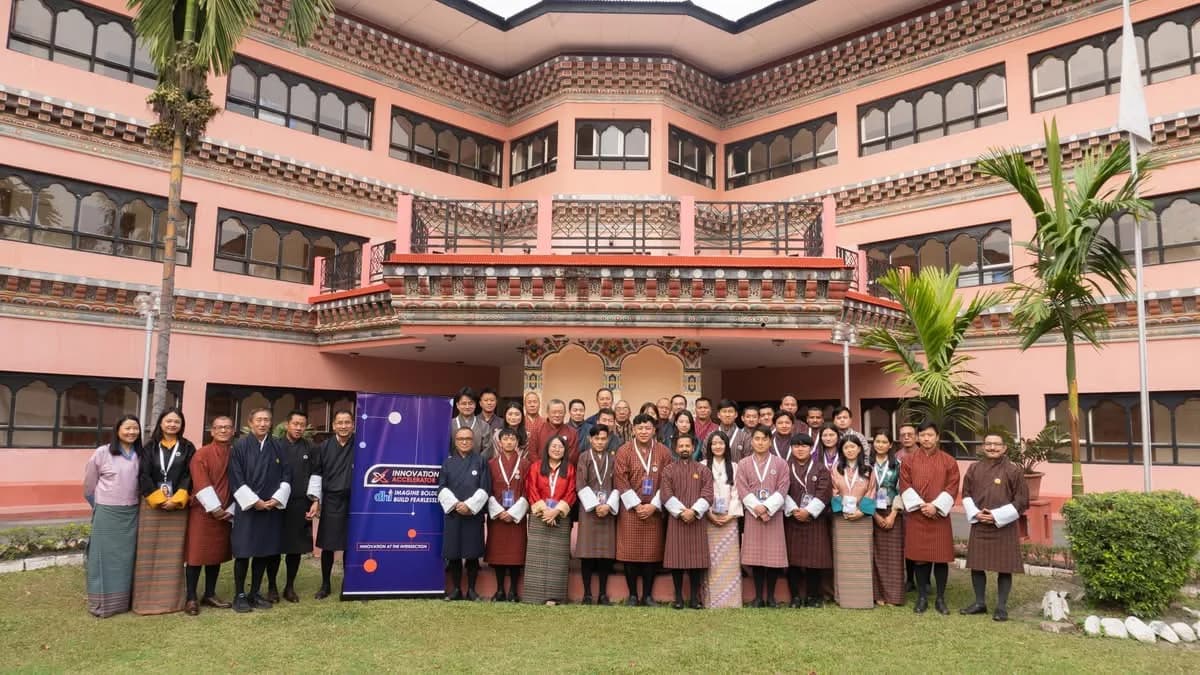
Druk Holding and Investments (DHI) was established with a mandate to enhance the performance and value of its portfolio companies and safeguard national wealth for all generations of Bhutanese through prudent investments. Over the past decade, DHI has built a diversified group of companies operating across key sectors — energy, telecommunications, finance, manufacturing, technology, and services.
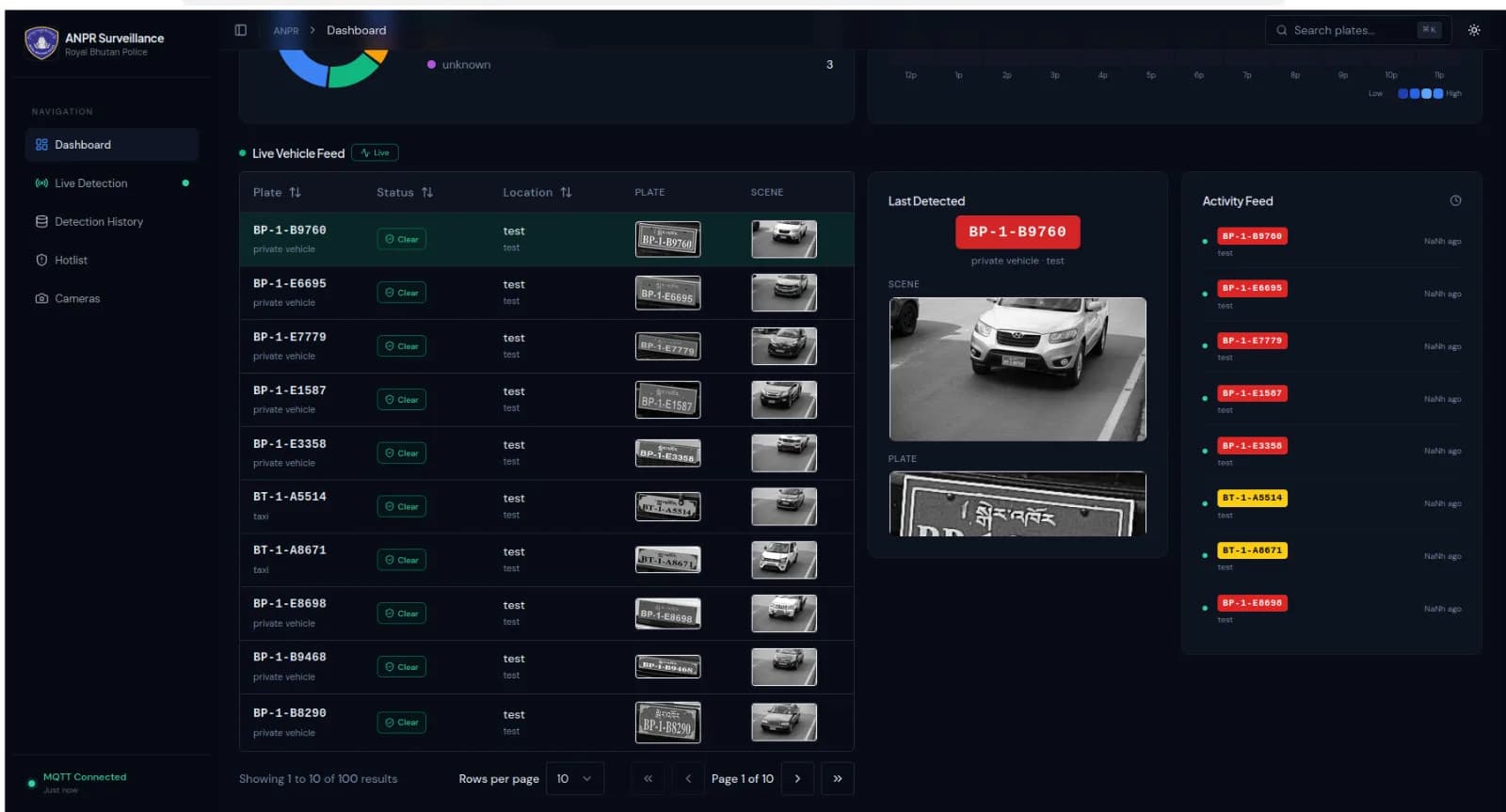
The project is spearheaded by DHI InnoTech in collaboration with Royal Bhutan Police.

Our objective is to establish a national-scale, technology-enabled GLOF risk monitoring and mitigation platform, beginning with high-risk catchments such as the Punatsangchhu basin.
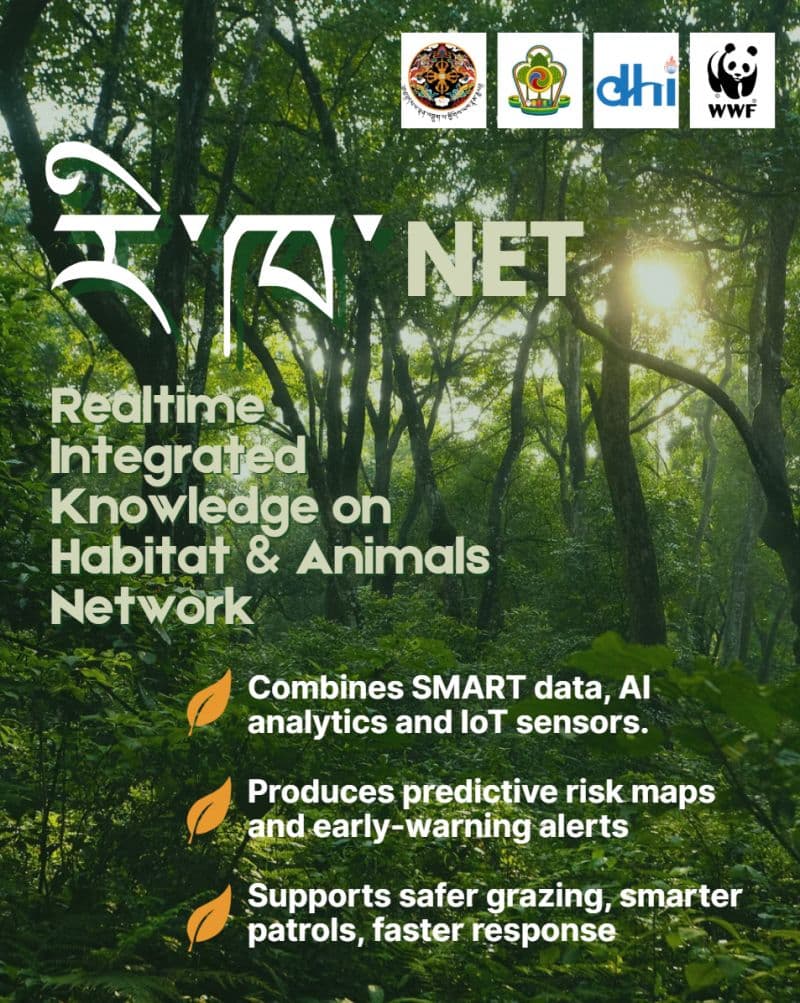
RiKhaNET addresses a core operational challenge in Bhutan’s tiger landscapes where field data and incident information are often fragmented across tools and stakeholders, limiting timely prevention. RiKhaNET consolidates these inputs into a single, governed platform by integrating Bhutan’s SMART (Spatial Monitoring and Reporting Tool) data with AI-driven analytics and real-time sensor inputs. Using machine-learning models, the system generates dynamic risk heatmaps, geofencing alerts, and automated notifications to help rangers and communities anticipate conflict hotspots before incidents occur, shifting response from reactive to proactive prevention. The Stakeholder meetings conducted emphasized that the pilot must be designed to strengthen trust and adoption, not only technology performance. Three design requirements were highlighted: Data governance and transparency: The current hosting arrangements raise concerns about filtering, access control, and sensitive wildlife-location data; governance must be explicit and communicated clearly. Community safety communication: The alert systems must be carefully designed so alerts support prevention and coordinated action rather than increasing fear; community focal persons can strengthen trusted communication. Operational realism for detection: It has been noted that tiger detections can be rare; deployments may run for months yet capture limited tiger events, so the pilot should prioritize focused hotspot monitoring with sufficient duration to produce meaningful training and pattern data.
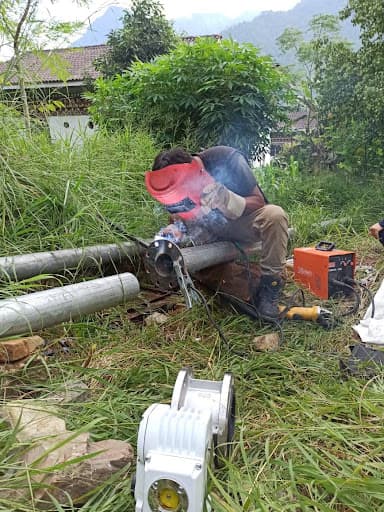
An IoT-enabled Smart Water Management System designed to improve water distribution, reduce wastage, and ensure reliable access to safe drinking water. The system integrates smart sensors for water quality, pressure, and flow monitoring, supported by remote monitoring and control to detect anomalies and optimize water supply from source to end users. Currently being piloted in Bhutan, the solution has potential for regional and international scale-up.
DHI InnoTech plays a pivotal role in Bhutan's research and development landscape, operating on a philosophy of turning ideas to impact through applied and fundamental collaborative research that gives rise to technology ventures, start-ups, national intellectual property, and an enabling innovation ecosystem.