Druk Holding and Investments (DHI) was established with a mandate to enhance the performance and value of its portfolio companies and safeguard national wealth for all generations of Bhutanese through prudent investments. Over the past decade, DHI has built a diversified group of companies operating across key sectors — energy, telecommunications, finance, manufacturing, technology, and services.
Want to collaborate on this project? Write the lead directly, or pitch an adjacent idea through the open queue.

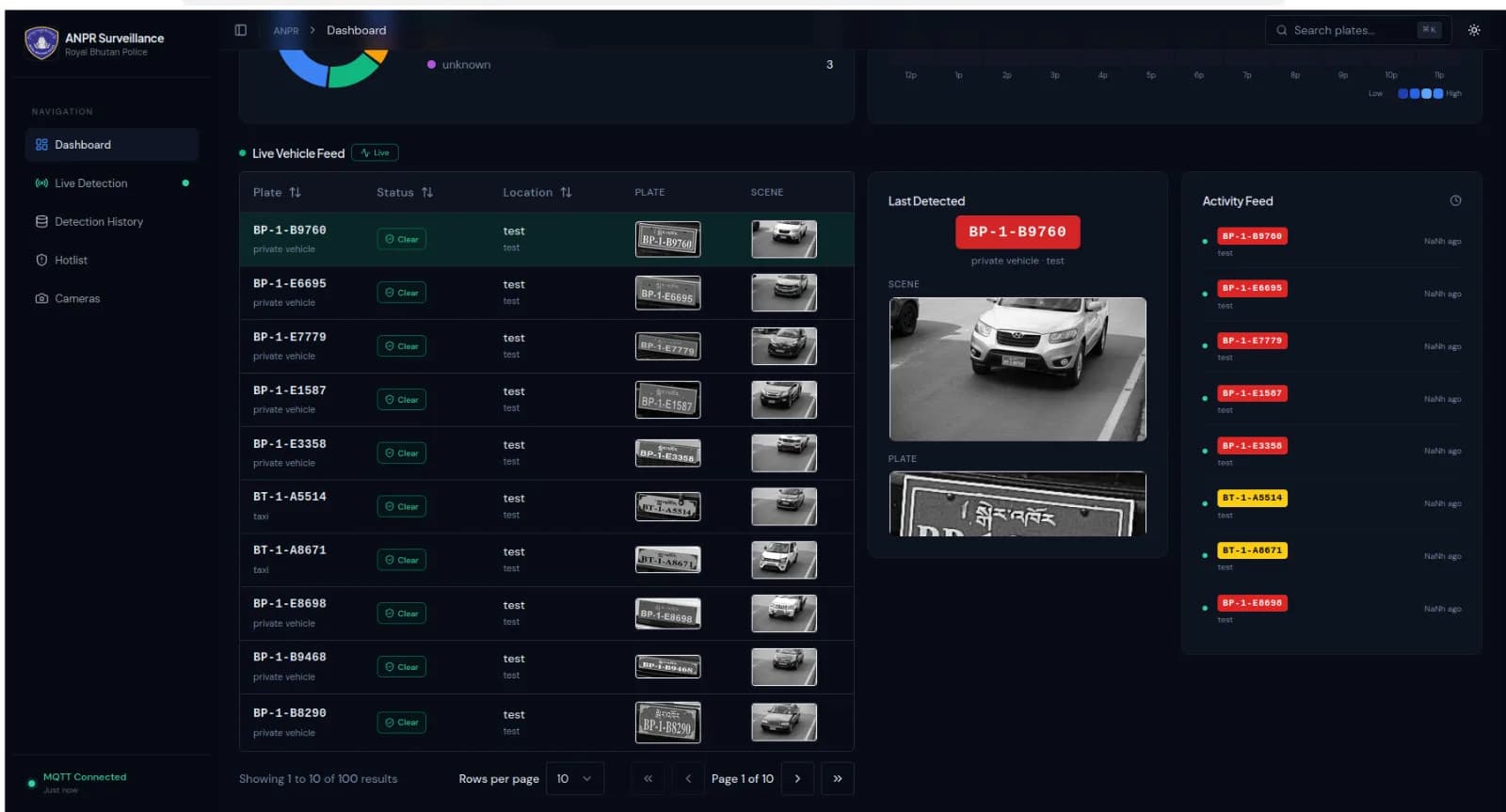
The project is spearheaded by DHI InnoTech in collaboration with Royal Bhutan Police.
Read the case
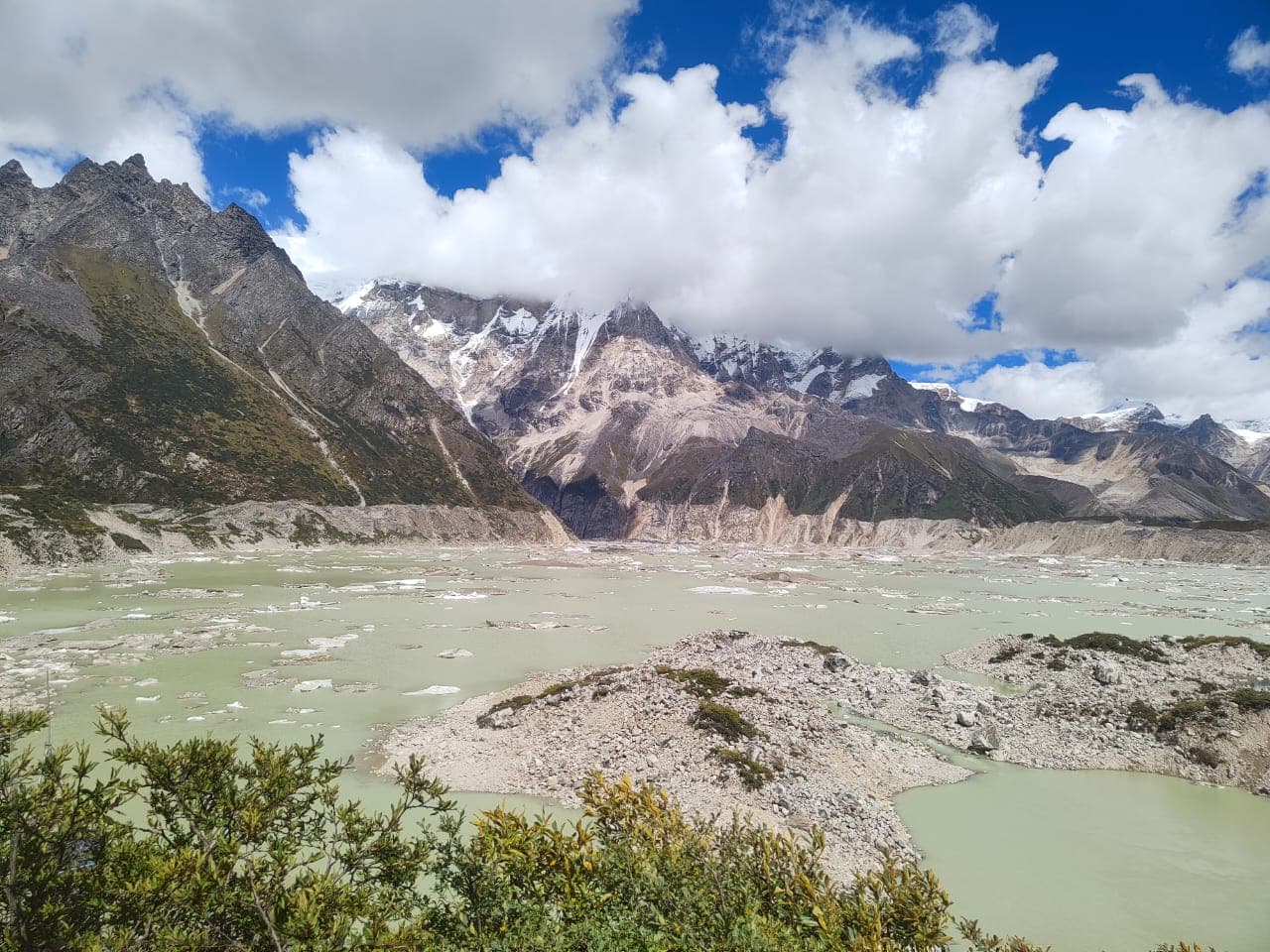
Our objective is to establish a national-scale, technology-enabled GLOF risk monitoring and mitigation platform, beginning with high-risk catchments such as the Punatsangchhu basin.
Read the case

Building Bhutan’s Environmental-Economic Accounting Backbone A Foundational Digital Infrastructure for SEEA-Aligned National Accounts
Read the case
A gamified mindfulness ecosystem that transforms meditation into a living, evolving digital garden.
Read the case
The Bhutan Sovereign LLM Initiative, led by DHI InnoTech, aims to build a national AI layer for Bhutan, which is a secure, sovereign Large Language Model integrated with a structured National Data Lake. This platform will: Aggregate structured and unstructured national datasets. Serve as a sovereign knowledge engine trained on Bhutan-specific data. Power AI agents capable of policy analysis, institutional intelligence, and public-facing services. Act as a digital extension of Bhutan. It will be a responsible AI representation of the Kingdom for both domestic governance and international engagement. The initiative envisions Bhutan not merely as a consumer of global AI systems but as a creator of a nationally aligned intelligence layer, grounded in Bhutanese values, governance structures, and development priorities. The deployment architecture remains flexible: Phase 1 (Prototype): Agent-based architecture built on leading AI APIs. Phase 2 (Conditional on Funding): Migration to sovereign GPU infrastructure hosted within Bhutan. Alternative Path: Continued operation on secure global cloud infrastructure if capital expenditure is constrained. The system is being developed as modular, interoperable, and sovereign by design.
Read the case
RiKhaNET addresses a core operational challenge in Bhutan’s tiger landscapes where field data and incident information are often fragmented across tools and stakeholders, limiting timely prevention. RiKhaNET consolidates these inputs into a single, governed platform by integrating Bhutan’s SMART (Spatial Monitoring and Reporting Tool) data with AI-driven analytics and real-time sensor inputs. Using machine-learning models, the system generates dynamic risk heatmaps, geofencing alerts, and automated notifications to help rangers and communities anticipate conflict hotspots before incidents occur, shifting response from reactive to proactive prevention. The Stakeholder meetings conducted emphasized that the pilot must be designed to strengthen trust and adoption, not only technology performance. Three design requirements were highlighted: Data governance and transparency: The current hosting arrangements raise concerns about filtering, access control, and sensitive wildlife-location data; governance must be explicit and communicated clearly. Community safety communication: The alert systems must be carefully designed so alerts support prevention and coordinated action rather than increasing fear; community focal persons can strengthen trusted communication. Operational realism for detection: It has been noted that tiger detections can be rare; deployments may run for months yet capture limited tiger events, so the pilot should prioritize focused hotspot monitoring with sufficient duration to produce meaningful training and pattern data.
Read the case